Three words, three different experiences
Libido means sexual desire. Energy is the felt capacity to engage with everyday life. Motivation is the willingness to begin or continue an activity. These experiences overlap in conversation, yet they do not always rise and fall together. A man can feel physically energetic without wanting intimacy, or feel desire when his body needs rest.
This distinction prevents a common misunderstanding: a busy, productive day does not create an obligation to feel sexual interest. Equally, reduced desire does not by itself show that someone is unfit or uninterested in a relationship. Context matters more than a simple comparison with another person's routine.
Where the day leaves room for connection
Daily schedules allocate attention as well as time. Travel, deadlines, caring responsibilities, and unresolved tasks can occupy the hours that might otherwise allow closeness. A shared evening may look free on a calendar while still feeling crowded mentally. Understanding that difference can make expectations more realistic.
A practical starting point is to notice when people feel least rushed. For some households that is a weekend morning; for others it is a short walk after work. The point is not to schedule a required sexual response. It is to make room for conversation and companionship without a performance target.
Rest is part of the picture
Sleep supports many aspects of health, including attention and mood. A week of insufficient or interrupted sleep may feel very different from a week with regular opportunities to recover. That observation does not establish sleep as the sole cause of a change in desire. It does suggest that fatigue deserves a place in the conversation.
Different schedules require different solutions. Shift work, a young child, or noisy surroundings can limit control over bedtime. Small adjustments that fit those constraints are more realistic than expecting perfect sleep every night. Persistent exhaustion is a separate issue from ordinary tiredness and may warrant a health assessment.
Movement without a performance bargain
Physical activity is valuable for general health. Walking, household activity, cycling, and strength work can all form part of an active life. They need not become a bargain in which a particular exercise session is expected to produce a particular level of desire. Such expectations can add pressure to an otherwise useful habit.
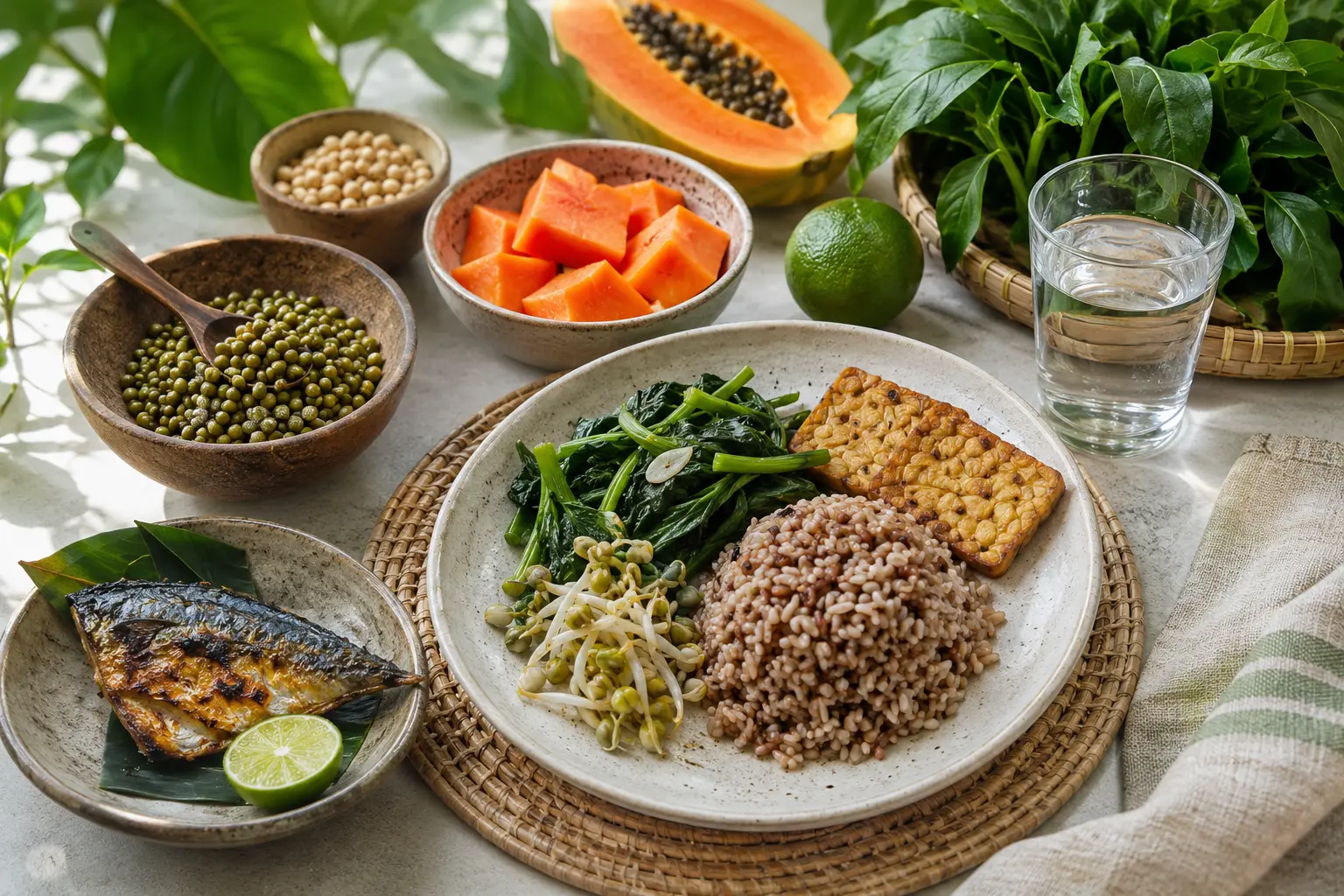
The same principle applies to food and hydration. Eating regularly and having accessible water can make a demanding day more manageable. A balanced meal is not an aphrodisiac prescription, and an expensive ingredient is not a prerequisite for an ordinary nourishing diet.
A conversation rather than a scorecard
A simple reflection can separate observations from assumptions: what changed in the schedule, how much rest was possible, and what else was occupying attention? Avoid converting the answers into a daily libido score that must improve. The purpose is to understand patterns, not monitor a partner or prove personal adequacy.
Desire has a personal and relational context. When a change causes distress or continues without an obvious explanation, a qualified health professional can help explore the broader picture. Everyday habits provide context, but they do not replace that individual assessment or guarantee a predictable sexual response.
Sources & further reading
These resources provide background for the topic; their inclusion does not imply institutional review of Male Vitalis.